
Standby Generator Maintenance Checklist for Homeowners
Table of Contents
Quick Answer
A standby generator may sit quietly for long periods, but it still needs routine attention. Homeowners do not need to perform electrical or engine repairs themselves; the goal is to notice changes early, keep service records organized, and make sure scheduled professional maintenance is not forgotten.
Is Your Standby Generator Ready?
Don't wait for a power outage to find out. Call now for expert generator inspection and maintenance!
Key Takeaways
- Look for leaves, debris, vegetation, stored materials, or other items that could block airflow or access. Follow the equipment manufacturer’s clearance requirements.
- Many standby generators run periodic exercise cycles. Learn what normal operation sounds like so unusual vibration, repeated failed starts, warning lights, or new noises stand out.
- Starting batteries are a common point of failure in engine-driven standby systems. A technician can test battery condition, charging performance, terminals, and related starting components during service.
- Oil, filters, spark plugs, coolant on liquid-cooled units, and other engine items have model-specific intervals. Run hours and operating conditions matter in addition to calendar time.
At a Glance
| Question | Short answer | Why it matters |
| Keep the Area Around the Generator Clear | Look for leaves, debris, vegetation, stored materials, or other items that could block airflow or access. Follow the equipment manufacturer’s clearance requirements. | Check the enclosure for obvious damage, corrosion, loose panels, or signs that water or pests may have entered. |
| Pay Attention During Exercise Cycles | Many standby generators run periodic exercise cycles. Learn what normal operation sounds like so unusual vibration, repeated failed starts, warning lights, or new noises stand out. | If the generator repeatedly fails to start or shows an alarm, consult the manual and schedule qualified service rather than repeatedly resetting it without understanding the cause. |
| Track the Battery and Starting System | Starting batteries are a common point of failure in engine-driven standby systems. A technician can test battery condition, charging performance, terminals, and related starting components during service. | Homeowners can note slow cranking, failed exercise starts, or battery-related alerts without attempting energized electrical work. |
| Schedule Maintenance by the Manufacturer’s Instructions | Oil, filters, spark plugs, coolant on liquid-cooled units, and other engine items have model-specific intervals. Run hours and operating conditions matter in addition to calendar time. | Professional service should also include inspection of electrical connections and transfer-system operation as appropriate for the equipment. |
For homeowners comparing options or preparing for professional work, see Starnes Electric’s Whole Home Generator Rock Hill SC for the service scope and local next steps.
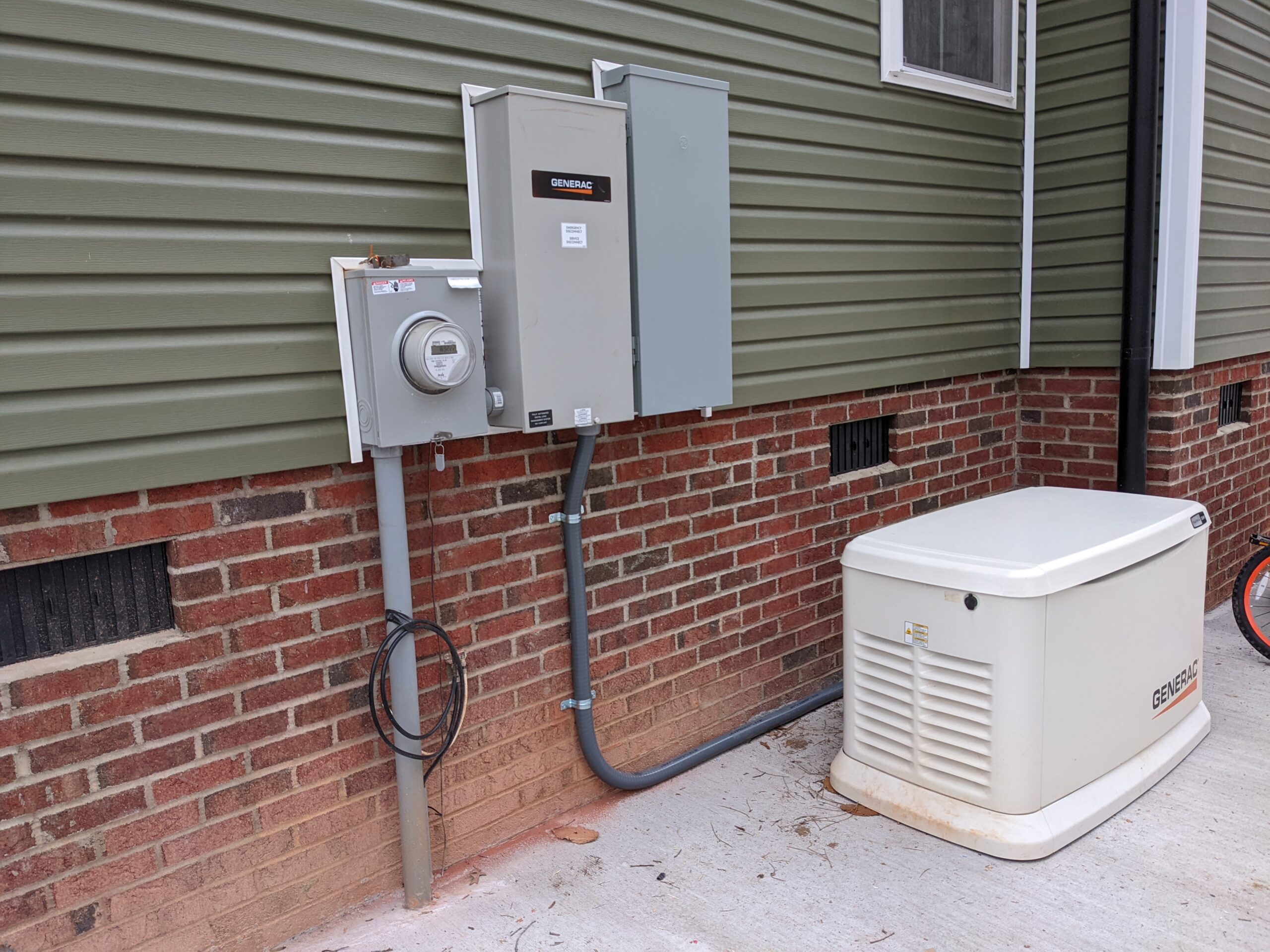
Keep the Area Around the Generator Clear?
Look for leaves, debris, vegetation, stored materials, or other items that could block airflow or access. Follow the equipment manufacturer’s clearance requirements.
Check the enclosure for obvious damage, corrosion, loose panels, or signs that water or pests may have entered.
Do not open electrical compartments or defeat safety interlocks to perform a visual check.
Supporting Rock Hill’s Growing Industries: The Role of Commercial Generators in Local Business Expansion
In the heart of Rock Hill, South Carolina, the business [...]
Learn More
Pay Attention During Exercise Cycles?
Many standby generators run periodic exercise cycles. Learn what normal operation sounds like so unusual vibration, repeated failed starts, warning lights, or new noises stand out.
If the generator repeatedly fails to start or shows an alarm, consult the manual and schedule qualified service rather than repeatedly resetting it without understanding the cause.
Keep a simple log of unusual events, outage runs, and service visits.
Related reading: Electrical Panel Upgrades Rock Hill SC.
Track the Battery and Starting System?
Starting batteries are a common point of failure in engine-driven standby systems. A technician can test battery condition, charging performance, terminals, and related starting components during service.
Homeowners can note slow cranking, failed exercise starts, or battery-related alerts without attempting energized electrical work.
Replacement intervals vary by equipment and operating conditions, so follow the manufacturer rather than a one-size-fits-all calendar.
Schedule Maintenance by the Manufacturer’s Instructions?
Oil, filters, spark plugs, coolant on liquid-cooled units, and other engine items have model-specific intervals. Run hours and operating conditions matter in addition to calendar time.
Professional service should also include inspection of electrical connections and transfer-system operation as appropriate for the equipment.
Keep records of the date, run hours, work performed, and parts replaced.
Test the Complete Backup-Power System?
A generator that starts is only part of the system. Transfer equipment and the electrical connection also need to function correctly.
Testing procedures should follow the manufacturer’s instructions and be performed by qualified personnel when they require access to energized equipment.
After a long outage or unusual operating event, note any alarms or performance changes and arrange service if needed.
When Should You Call an Electrician?
Call a qualified electrician when the project requires opening electrical equipment, modifying wiring, adding circuits, diagnosing repeated breaker trips, or working near service equipment. Seek prompt help for smoke, active arcing, severe overheating, burning odors, or other signs of an immediate electrical hazard.
What Should You Ask Before Approving the Work?
- What did you find during the inspection?
- Which work corrects the current problem, and which recommendations are optional upgrades?
- Will the project affect the panel, service, permits, inspections, or utility coordination?
- How will the completed work be tested and documented?
Frequently Asked Questions
How often should a standby generator be serviced?
Service intervals vary by model, run hours, environment, and manufacturer instructions. Use the maintenance schedule for the specific generator rather than a generic interval.
Can I perform generator maintenance myself?
Homeowners can usually perform basic visual observations, but engine service, electrical testing, transfer-equipment work, and repairs should follow manufacturer guidance and be handled by qualified personnel when appropriate.
What should I record after an outage?
Record the outage duration, generator run time if available, any alarms or unusual behavior, and whether the transfer back to utility power appeared normal.
Next Step
If you want the electrical system evaluated on site, contact Starnes Electric and describe the symptoms, equipment, or project goals you want reviewed.
Keep Your Generator Ready for Any Outage!
Avoid unexpected generator failures. Schedule professional standby generator maintenance today and keep your home protected.
About the Author: Dalton Starnes