There are a lot of sounds you expect in a house.
The fridge hums. The air conditioner kicks on. Floors creak like they’re trying to tell you stories from 1987.
But one sound that should never be casually ignored?
That faint electrical buzzing coming from an outlet, a wall, or worse… the breaker panel.
It’s easy to dismiss it at first. Maybe you think it’s just the lights. Maybe you assume it’s a “normal house noise.” Maybe you tell yourself you’ll look into it later.
But here’s the uncomfortable truth:
An electrical buzzing sound is often a sign that your system is working harder than it should, or operating outside safe electrical code.
And when electricity starts making noise, it’s not trying to entertain you. It’s trying to warn you.
Let’s break down what that buzzing might mean, why it matters, and when it’s time to stop guessing and call a licensed electrician.
What Causes an Electrical Buzzing Sound in a Home Wiring System?
Electricity itself is silent. It doesn’t hiss or hum for fun.
So when you hear buzzing, it usually means something physical is happening inside the system, often where electricity is jumping, vibrating, or meeting resistance.
Some of the most common causes include:
Loose Electrical Connections
This is one of the biggest culprits.
When wires aren’t tightly secured, electricity can arc slightly between contact points. That tiny arcing creates vibration, heat, and noise.
Loose connections can occur in:
- Outlets
- Switches
- Junction boxes
- Breaker panels
And they are not harmless. Loose wires are one of the leading causes of electrical fires.
Faulty Circuit Breakers
Breakers are designed to protect your home, but they can wear down over time.
A breaker that’s failing may buzz because it’s struggling to manage current properly.
Signs this may be happening include:
- Buzzing only when certain appliances run
- Warm breaker switches
- Flickering lights nearby
Dimmer Switches and LED Compatibility
Not all buzzing is immediately dangerous. Sometimes dimmer switches buzz because of the way they regulate current.
However, buzzing dimmers can still indicate:
- Poor installation
- Overloaded switch rating
- Incompatible bulbs
The sound might not mean “emergency,” but it does mean “check it.”
Aging Wiring
Older homes may have wiring that wasn’t designed for today’s electrical demands.
Modern life pulls a lot of power:
- Air fryers
- Space heaters
- Gaming setups
- EV chargers
- Smart appliances
If the wiring is outdated, buzzing can be an early symptom of stress.
Electrical Arcing
This is the serious one.
Arcing happens when electricity jumps through air instead of flowing cleanly through a conductor.
Arcing often occurs due to:
- Damaged wires
- Loose terminals
- Moisture intrusion
- Overheating components
Buzzing caused by arcing should be treated as urgent.
Is an Electrical Buzzing Sound a Sign of a Code Violation?
Sometimes, yes.
Electrical code exists for one main reason: safety.
A buzzing sound doesn’t automatically mean your home is “out of code,” but it often points to conditions that violate modern electrical standards.
Here are a few ways buzzing can relate to code issues:
Improper Wire Connections
Electrical code requires secure, properly rated connections inside approved enclosures.
Buzzing can indicate:
- Wire nuts not installed correctly
- Open splices outside junction boxes
- Improper grounding
Overloaded Circuits
Code limits how much load a circuit should carry.
If buzzing comes from an outlet or breaker, it may mean:
- Too many devices on one circuit
- Incorrect breaker size
- Unsafe extension cord dependence
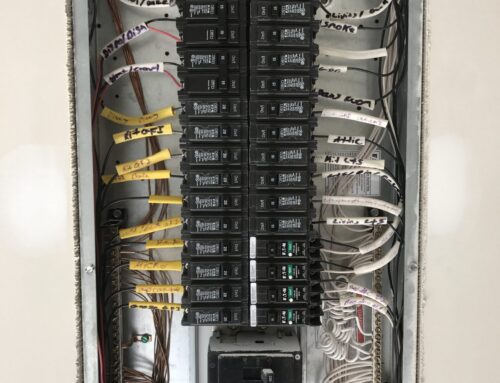
Panel Issues
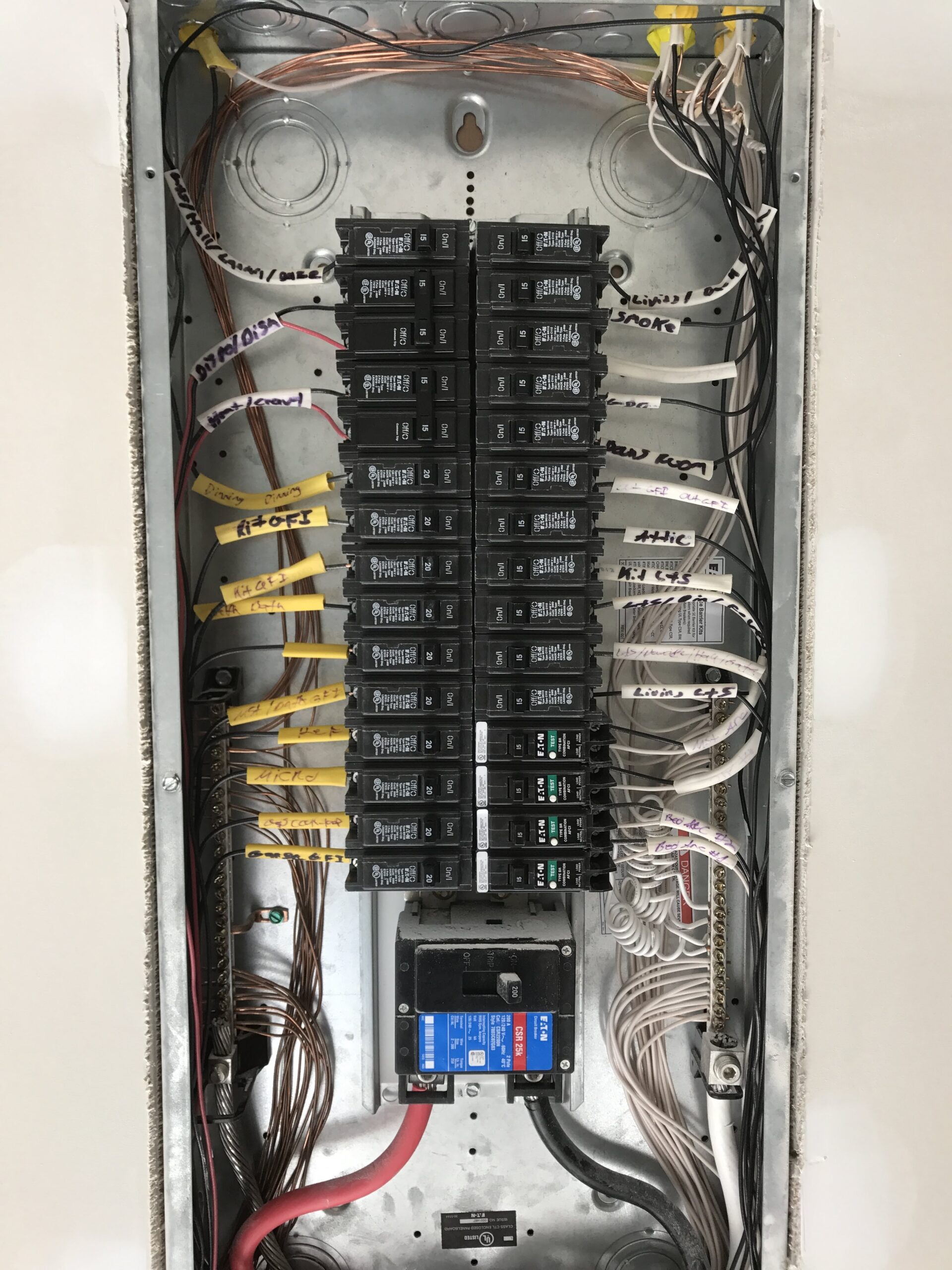
A buzzing electrical panel may signal problems like:
- Incorrect breaker types
- Double-tapped breakers
- Poor neutral connections
- Outdated panels no longer up to code
Many older panels were never designed for today’s electrical needs, and code standards have evolved significantly.
DIY Electrical Work
Buzzing is often found in homes where unlicensed electrical work has been done.
Common DIY code violations include:
- Incorrect wire gauge
- Loose connections
- Missing junction boxes
- Wrong breaker sizing
- Improper GFCI placement
Electrical work is one area where “good enough” can quickly become dangerous.
Can Electrical Buzzing Indicate Overloaded Circuits or Unsafe Connections?
Absolutely, and this is where homeowners should pay close attention.
Buzzing is often the sound of electricity meeting resistance. Resistance creates heat. Heat creates risk.
Overloaded circuits happen when a circuit is asked to carry more current than it was designed for.
Some signs buzzing may be overload-related include:
- Buzzing when multiple appliances run
- Breakers tripping frequently
- Warm outlets or switches
- Lights dimming when devices start
- Burning smell near electrical points
Unsafe connections are another major concern.
Buzzing can indicate:
- Loose terminals behind outlets
- Corroded wiring
- Poor grounding
- Connections vibrating under load
Here’s the scary part: you may not see anything wrong from the outside.
Everything may look normal until it suddenly isn’t.
Electrical problems often escalate quietly until they become:
- Fire hazards
- Appliance damage
- Shock risk
- Total circuit failure
This is why buzzing should never be treated as “just a noise.”
It’s a symptom.
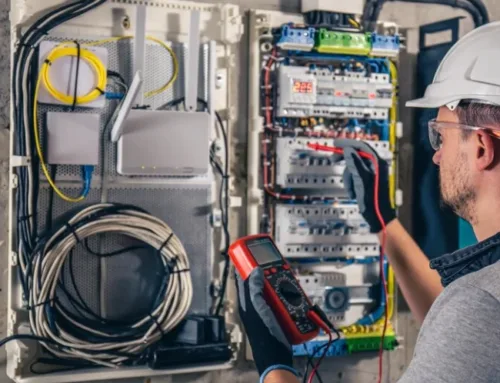
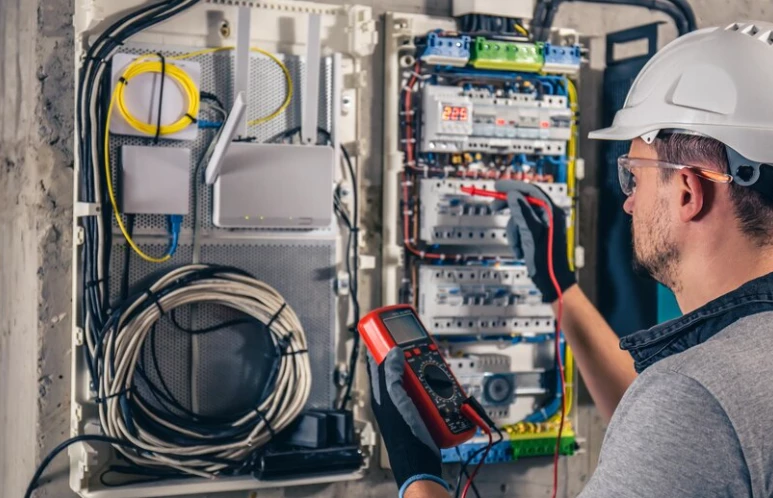
When Should a Buzzing Electrical Panel Be Inspected By a Licensed Electrician?
Let’s make this simple:
If your electrical panel is buzzing, it should be inspected sooner rather than later.
A breaker panel should not make noise under normal conditions.
You should call a licensed electrician immediately if you notice:
- Buzzing or humming coming from the panel
- Flickering lights throughout the home
- Breakers that feel hot to the touch
- Burning smells or discoloration
- Buzzing that gets louder when appliances run
- Frequent breaker trips
- Any sparking or popping sounds
Even if the buzzing is faint, it can indicate early-stage failure.
It’s much easier (and cheaper) to fix a problem early than to deal with:
- Fire damage
- Emergency outages
- Full panel replacement under crisis conditions
Also, never open a panel yourself unless you are trained. Panels contain live electricity even when breakers are off.
When in doubt, call a professional.
Buzzing Isn’t Background Noise. It’s a Warning Signal.
Your home’s electrical system is supposed to work quietly, safely, and invisibly.
When it starts buzzing, that’s a sign something is no longer operating smoothly.
It could be minor. It could be serious.
But either way, it deserves attention.
Buzzing often points to:
- Loose connections
- Overloaded circuits
- Aging or outdated panels
- Code violations
- Unsafe electrical conditions
And ignoring it is never the best plan.
Electricity doesn’t give many second chances.
Let’s Silence That Buzz Before It Becomes a Bigger Problem
At Starnes Electric LLC, we’ve seen firsthand how small electrical warning signs can turn into major hazards when left unchecked.
If you’re hearing buzzing from an outlet, switch, or electrical panel, don’t wait for it to get worse.
Schedule a professional electrical inspection with Starnes Electric LLC today.
We’ll help you identify the issue, bring your system back up to code, and make sure your home stays safe, quiet, and properly powered.