When Should a Homeowner Call an Electrician Instead of a Handyman?
Table of Contents
A homeowner should call an electrician instead of a handyman when the job involves wiring, electrical panels, breakers, circuits, permits, code compliance, repeated power issues, or anything that could create fire or shock risks. A handyman may be helpful for basic non-electrical repairs, but electrical work requires licensed training, proper testing, and safe repair methods from the start.
The difference matters because small electrical mistakes can stay hidden until they cause damage. If lights flicker, outlets spark, a breaker trips, or wiring looks damaged, the safer choice is always a licensed electrician.
Electrical Problem? Call the Right Expert
From faulty wiring to panel issues, trust Starnes Electric LLC for safe, professional electrical repairs.
What a Handyman Can Usually Help With
A handyman can be practical for small home maintenance tasks that do not involve active electrical wiring. These jobs may include patching drywall, fixing trim, replacing cabinet hardware, hanging shelves, or repairing cosmetic damage.
Some handymen may replace bulbs, install battery-operated devices, or mount a fixture after an electrician has prepared the wiring. The work should not require opening electrical boxes, changing wiring, or modifying circuits.
Simple Maintenance Tasks
Handymen are useful for doors, paint touch-ups, loose hardware, caulking, and similar repairs.
These tasks do not affect electrical safety. They differ from work involving electrical current, grounding, breakers, or load capacity.
Where the Line Should Be Drawn
The line is crossed when a task requires electrical judgment. That includes identifying wire size, testing voltage, replacing breakers, extending circuits, or diagnosing power failure.
Simple symptoms may point to deeper trouble. A loose outlet may involve damaged wiring. A tripping breaker may mean an overload, short circuit, or failing device.
What Work Should Be Handled by a Licensed Electrician?
Licensed electricians should handle work involving the electrical system. This includes repairs, installations, upgrades, troubleshooting, and code-required home projects.
Electrical Panel and Breaker Work
Electrical panels should be handled by an electrician. The panel controls power throughout the home, and errors can create serious hazards.
Breaker replacement, panel upgrades, subpanel installation, and capacity changes require proper sizing, labeling, grounding, and code compliance.
Wiring, Circuits, and Outlets
Any job involving wiring should be treated carefully. This includes adding outlets, replacing wiring, installing GFCI outlets, repairing loose connections, or extending circuits.
A licensed electrician can confirm the circuit can support the added electrical load and help prevent overheating, nuisance tripping, and hidden fire risks.
Why Electrical Repairs Require Specialized Training
Electrical repairs are different because danger is not always visible. A wall can look clean while wiring behind it is loose, overloaded, or improperly grounded.
Code Compliance Matters
Electrical codes reduce fire, shock, and equipment damage. They guide how wiring should be installed, how circuits should be protected, and where safety devices are required.
A repair that works today may still be unsafe if it does not meet electrical code. Electricians apply these requirements during repairs and installations.
Diagnosis Requires More Than Guesswork
Electrical symptoms often have several causes. Flickering lights could come from a loose neutral, overloaded circuit, poor connection, damaged fixture, or utility issue.
A licensed electrician uses testing tools and experience to locate the source. Replacing the wrong part may leave the real problem in place.
Who’s the Trusted Expert for Electrical Panels in Lake Wylie, SC?
When it comes to keeping homes and businesses powered safely [...]
Learn More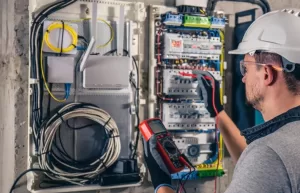
Risks of Hiring the Wrong Person for Electrical Work
Hiring the wrong person can cost more than the repair. Poor work may create fire hazards, shock risks, failed inspections, and insurance problems.
Electrical mistakes may also damage appliances, electronics, HVAC equipment, or lighting systems. The issue may not appear immediately.
Fire and Shock Hazards
Loose connections generate heat. Overloaded circuits can trip repeatedly or overheat. Incorrect wiring can energize parts that should never carry current.
These hazards can exist behind walls, ceilings, or junction boxes. A homeowner may not know something is wrong until damage occurs.
Insurance and Resale Problems
Unpermitted electrical work can create problems during a home sale. Inspectors may flag unsafe wiring, overloaded panels, or noncompliant repairs.
Insurance claims can become complicated if damage is connected to improper electrical work. Licensed service helps protect the property and documentation.
Common Projects That Need an Electrician
Many home electrical projects should involve an electrician from the start. Calling early helps avoid rework and unsafe shortcuts.
Outlet and Switch Repairs
If an outlet feels warm, sparks, buzzes, loses power, or will not hold a plug tightly, call an electrician. The same applies to switches that crackle, heat, or fail repeatedly.
These issues may involve worn devices, loose wiring, damaged insulation, or overloads.
Lighting and Ceiling Fan Installation
Fixture replacements are more involved than they appear. Ceiling fans need proper support boxes, wiring, and safe controls.
Recessed lighting, outdoor lighting, under-cabinet lighting, and new fixture locations should be handled by an electrician.
EV Chargers, Generators, and Appliances
Large electrical loads need planning. EV chargers, generators, hot tubs, ovens, dryers, and major appliances often require dedicated circuits.
An electrician can verify capacity and install protection.
How to Know If Your Electrical Issue Is Serious
Some electrical problems need prompt attention. Do not ignore warning signs, even if the power still works.
Call an electrician for burning smells, scorch marks, buzzing panels, frequent breaker trips, flickering lights, warm outlets, sparking, or partial power loss.
Warning Signs to Take Seriously
A breaker that trips once may be responding to temporary overload. A breaker that trips repeatedly is different.
Repeated tripping means the system is warning you. Resetting it again and again does not fix the cause.
When to Stop Using the Area
If you smell burning, see smoke, hear panel buzzing, or notice a hot outlet, stop using that part of the system. Unplug devices safely and call an electrician.
Do not open electrical panels or remove devices yourself. Leave the system alone until it can be tested properly.
Residential Electrical Help From Starnes Electric
If you are unsure whether your electrical issue needs a handyman or a licensed electrician, we can help you make the right call. At Starnes Electric LLC, we take the time to inspect the problem, explain what is happening, and recommend safe repair options for your home.
Whether you are dealing with tripping breakers, faulty outlets, flickering lights, panel concerns, new lighting, or wiring issues, we are ready to help. Contact Starnes Electric LLC today for dependable residential electrical service.
FAQs About Electricians vs. Handymen
Can a handyman replace an outlet?
A handyman may replace a cover plate, but outlet replacement can involve wiring, grounding, and safety testing. If the outlet is loose, warm, damaged, sparking, or dead, hire an electrician.
Can a handyman install a ceiling fan?
A ceiling fan should be installed by an electrician when wiring, controls, or ceiling support boxes need attention. Fans require proper mounting because they move and vibrate.
Should I call an electrician for a tripping breaker?
Yes, especially if it happens more than once. A tripping breaker may signal an overload, short circuit, ground fault, failing breaker, or appliance issue.
Is it cheaper to hire a handyman for electrical work?
It may seem cheaper at first, but unsafe electrical work can lead to bigger repair costs. Licensed work is usually better when safety and code compliance matter.
What should I do if an outlet sparks?
Stop using the outlet and call an electrician. A small spark may happen occasionally, but repeated sparks, heat, smoke, or discoloration are warning signs.
Do I need an electrician for new lighting?
Yes, if the project involves new wiring, new switches, recessed lights, exterior lighting, dimmers, or fixture relocation. An electrician can confirm the circuit is safe.
Final Thoughts
A handyman can help with many useful home repairs, but electrical work belongs in a separate category. If the job touches wiring, breakers, panels, circuits, outlets, lighting, grounding, permits, or safety concerns, call a licensed electrician. The right professional can diagnose the real issue, complete the repair correctly, and reduce the risk of fire, shock, and future damage. When in doubt, choose safety first. A quick electrical inspection is better than guessing with a system your home depends on every day or trusting a repair that was never properly tested.
When Safety Matters, Call an Electrician
Avoid costly mistakes with expert electrical inspections and repairs from Starnes Electric LLC.
About the Author: Starnes Electric