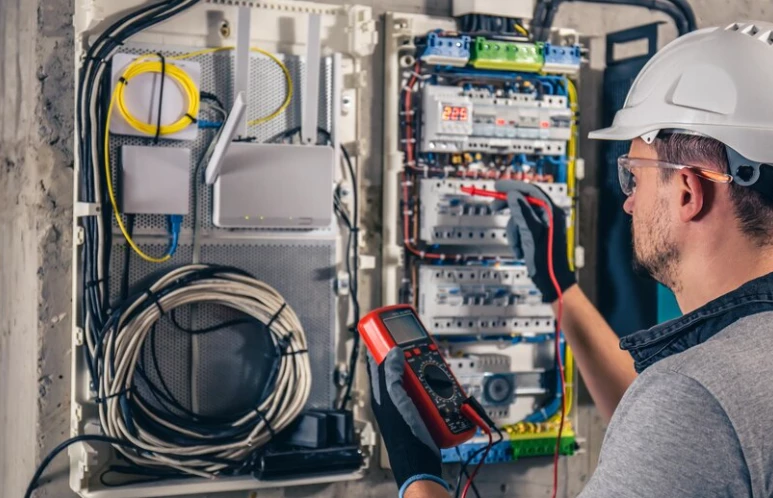
What if the most important person on your construction project isn’t the architect, but the electrician? That shift is already happening.
Commercial electricians are now being brought in before buildings are even fully designed. Why? Because power needs today are more complex than ever. From smart systems to energy efficiency and heavy equipment demands, electrical planning can shape the entire structure.
Waiting until after the design is finished often leads to costly changes. Bringing electricians in early helps projects run smoother, stay on budget, and avoid surprises once construction begins.
Why are Commercial Electricians Involved Earlier in the Building Planning Process?
The short answer? Because buildings aren’t simple anymore.
Commercial spaces today aren’t just concrete boxes with lights. They’re complex environments that need to support modern business operations from day one. Whether it’s a medical facility, manufacturing plant, warehouse, office tower, or retail center, the electrical demands have grown massively.
Electricians are being brought in earlier because electrical planning isn’t an afterthought anymore. It’s the backbone.
Think about it like this: you wouldn’t design a restaurant without planning the kitchen. So why design a commercial building without planning its electrical “engine”?
Here’s what’s driving this early involvement:
- Increased power loads from advanced equipment
- Smart building technology becoming standard
- More emphasis on energy efficiency
- EV charging requirements
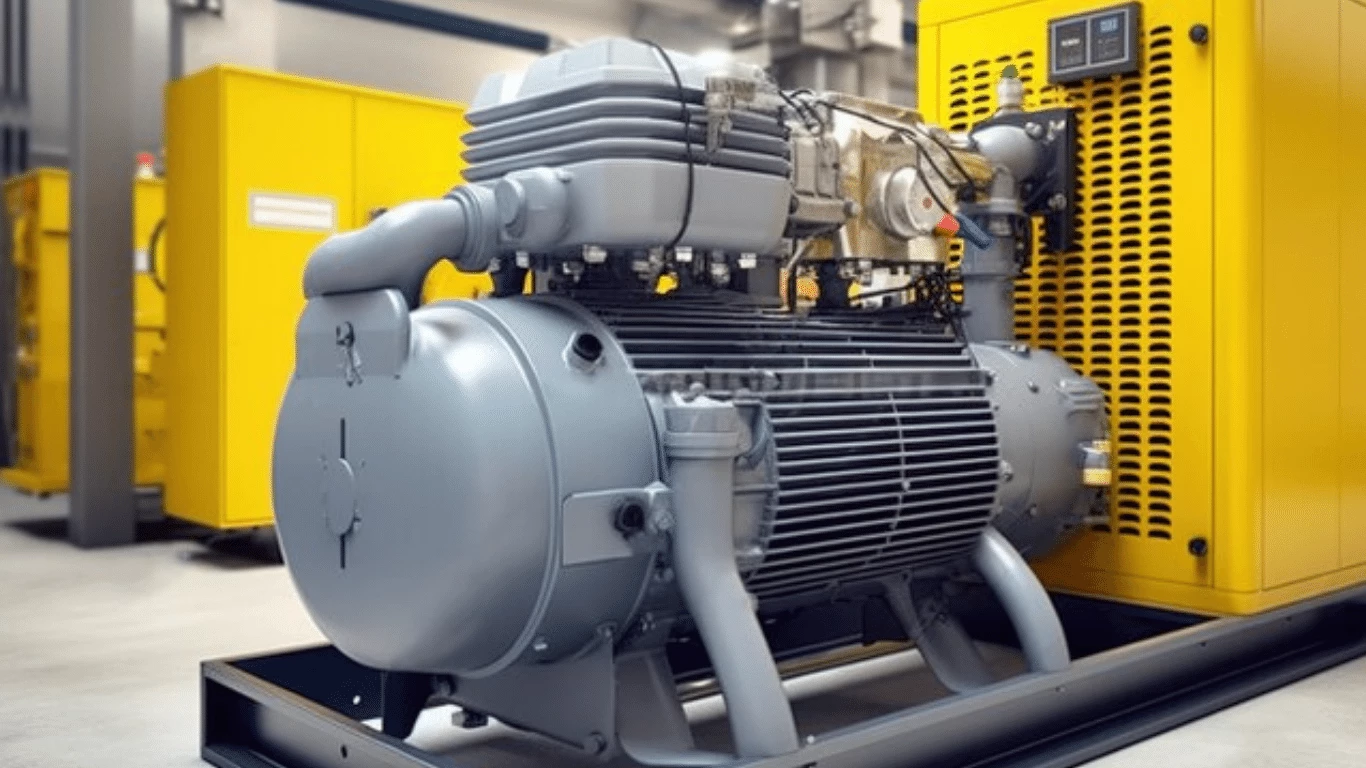
- Backup power and generator integration
- Complex safety codes and compliance
In many ways, electricians are now part of the “design brain trust,” not just the execution crew.
And honestly, it prevents the classic construction headache: building something beautiful… then realizing you forgot the power to run it.
How Does Early Electrical Input Affect Commercial Construction Design Decisions?
When electricians are involved early, the entire design process becomes smoother and smarter.
Electrical systems affect almost every major design decision, including layout, mechanical coordination, ceiling structure, equipment placement, and future scalability.
Early input helps architects and engineers answer questions like:
- Where will the main electrical room go?
- How much power will tenants actually need?
- Should we plan for future expansions now?
- Will the building need EV charging capacity?
- What kind of lighting system makes sense for this space?
It also helps eliminate expensive redesigns later.
Here’s where early electrical planning makes a real difference:
Smarter Space Allocation
Electrical rooms, panel locations, and conduit pathways take up physical space. Planning them early avoids awkward last-minute adjustments.
Load Calculations That Actually Match Reality
Modern buildings have more tech than ever. If the design underestimates power demand, you’re stuck upgrading later at triple the cost.
Better Lighting and Energy Design
Electricians can guide decisions on:
- LED systems
- Occupancy sensors
- Daylight harvesting
- Emergency lighting placement
Coordination With Other Trades
Electrical work overlaps with HVAC, plumbing, fire suppression, and data systems. Early coordination keeps everyone from fighting for ceiling space later.
Future-Proofing the Building
Commercial spaces evolve. Early planning can include extra capacity for:
- Solar integration
- Battery storage
- More equipment
- Tenant customization down the line
A building designed with electrical input early isn’t just functional. It’s adaptable.
What Risks Can Happen When Electricians are Not Consulted Before a Building is Designed?
Now let’s flip the script.
What happens when electricians aren’t consulted early?
In one word: problems.
In several words: expensive, time-consuming, stress-inducing problems.
Skipping early electrical involvement can lead to major headaches such as:
Costly Redesigns Mid-Project
If electrical needs are discovered too late, entire layouts may need adjustment. Moving panels, rerouting conduit, resizing service… none of that is cheap.
Delays That Snowball
Electrical changes aren’t isolated. They impact other trades, inspections, and scheduling.
One late electrical correction can push timelines back weeks.
Insufficient Power Supply
A building that can’t support tenant needs becomes a liability. Businesses today need reliable infrastructure for:
- Servers and networking
- Specialized equipment
- Charging stations
- Automation systems
Underpowering is one of the easiest mistakes to make if electricians aren’t consulted early.
Safety and Code Violations
Electrical code is complex and constantly evolving. If designs don’t align with code from the beginning, you risk failing inspections later.
And no developer wants to hear, “You need to redo this.”
Poor Emergency Planning
Backup power, emergency lighting, fire alarm integration… these aren’t bolt-on features. They need early design consideration.
Missed Opportunities for Efficiency
Energy-efficient systems save money long-term, but only if they’re planned correctly.
Without early input, buildings often end up with outdated or inefficient setups that cost more to operate.
To put it plainly: when electricians are brought in too late, everyone pays for it.
Why is Electrical Infrastructure Becoming a Priority in Modern Commercial Building Projects?
This might be the most important part of the conversation.
Electrical infrastructure is becoming a priority because electricity is no longer just about powering lights and outlets.
It’s about powering the future.
Modern commercial buildings are expected to support:
- Smart automation systems
- Data-heavy operations
- Sustainability goals
- EV charging adoption
- Renewable energy integration
- Higher occupant comfort and safety standards
And electrical systems are the foundation of it all.
The Rise of Smart Buildings
Lighting, security, HVAC, access control… all of it is connected now. That means more planning, more integration, more electrical expertise.
Energy Efficiency Isn’t Optional
Owners want lower operating costs. Cities want greener construction. Tenants want sustainable spaces.
Electrical design plays a huge role in meeting these expectations.
EV Charging Is the New Standard
Commercial lots and garages are increasingly expected to include EV infrastructure, and that requires significant planning for power distribution.
The Demand for Reliability Is Higher Than Ever
Businesses can’t afford downtime. Electrical failures aren’t minor inconveniences anymore, they’re operational disasters.
Power Needs Are Only Growing
Buildings are being built not just for today’s tenants, but tomorrow’s technologies.
Electrical infrastructure has become less of a utility and more of a competitive advantage.
And that’s exactly why electricians are being called in before the first sketch is drawn.
Let’s Build It Right From The Start With Starnes Electric LLC
If there’s one takeaway here, it’s this: commercial electricians aren’t just installers anymore. We’re planners, problem-solvers, and partners in building smarter spaces.
At Starnes Electric LLC, we believe the best commercial projects start with the right conversations early. Whether you’re developing a new facility, planning a major renovation, or designing a high-demand commercial space, our team is ready to help you get the electrical foundation right from day one.
Start Strong, Power Smarter
Don’t wait until construction is underway to think about your building’s electrical future. Bring Starnes Electric LLC into the process early, and let’s design something reliable, efficient, and built to last.
Reach out today and let’s power your next project the smart way.