
Low-Voltage vs Line-Voltage Wiring: What Is the Difference?
Table of Contents
Quick Answer
“Low voltage” and “line voltage” describe different electrical systems, but homeowners often encounter both in the same renovation. Understanding the distinction helps when planning lighting controls, doorbells, networking, cameras, thermostats, landscape systems, and standard household circuits.
Need Safe, Reliable Electrical Wiring?
From low-voltage systems to line-voltage installations, get professional service you can trust. Call today!
Key Takeaways
- Line-voltage wiring supplies typical building power for receptacles, lighting, and many permanently connected appliances.
- Low-voltage systems commonly support communications, data, controls, signaling, security, doorbells, thermostats, audio, and certain lighting systems.
- Power wiring can create interference with some communications or signal cables, and different wiring classes may have separation or enclosure requirements.
- Smart thermostats, lighting controls, doorbells, cameras, access control, and networking may involve both low-voltage devices and line-voltage power supplies.
At a Glance
| Question | Short answer | Why it matters |
| What Line Voltage Means in a Home | Line-voltage wiring supplies typical building power for receptacles, lighting, and many permanently connected appliances. | Because it can present shock and fire hazards, installation methods, boxes, cable types, overcurrent protection, grounding, and other details are regulated by electrical codes. |
| What Low-Voltage Wiring Is Used For | Low-voltage systems commonly support communications, data, controls, signaling, security, doorbells, thermostats, audio, and certain lighting systems. | The exact voltage and wiring requirements depend on the system. “Low voltage” does not mean every cable can be installed anywhere or without planning. |
| Why Separation and Routing Matter | Power wiring can create interference with some communications or signal cables, and different wiring classes may have separation or enclosure requirements. | Planning pathways early is especially useful during renovations, when walls or ceilings are already open. |
| When the Two Systems Need Coordination | Smart thermostats, lighting controls, doorbells, cameras, access control, and networking may involve both low-voltage devices and line-voltage power supplies. | An electrician and low-voltage installer may need to coordinate device locations, power sources, pathways, and equipment enclosures. |
For homeowners comparing options or preparing for professional work, see Starnes Electric’s Electrical Wiring Rock Hill SC for the service scope and local next steps.
What Line Voltage Means in a Home?
Line-voltage wiring supplies typical building power for receptacles, lighting, and many permanently connected appliances.
Because it can present shock and fire hazards, installation methods, boxes, cable types, overcurrent protection, grounding, and other details are regulated by electrical codes.
Work on line-voltage circuits should be handled according to applicable code and by qualified people.
What Low-Voltage Wiring Is Used For?
Low-voltage systems commonly support communications, data, controls, signaling, security, doorbells, thermostats, audio, and certain lighting systems.
The exact voltage and wiring requirements depend on the system. “Low voltage” does not mean every cable can be installed anywhere or without planning.
Manufacturer instructions and the applicable wiring rules still matter.
Related reading: Wiring: Low Voltage Solutions for Homes and Businesses.
Why Separation and Routing Matter?
Power wiring can create interference with some communications or signal cables, and different wiring classes may have separation or enclosure requirements.
Planning pathways early is especially useful during renovations, when walls or ceilings are already open.
Labeling and organized termination make future troubleshooting much easier.
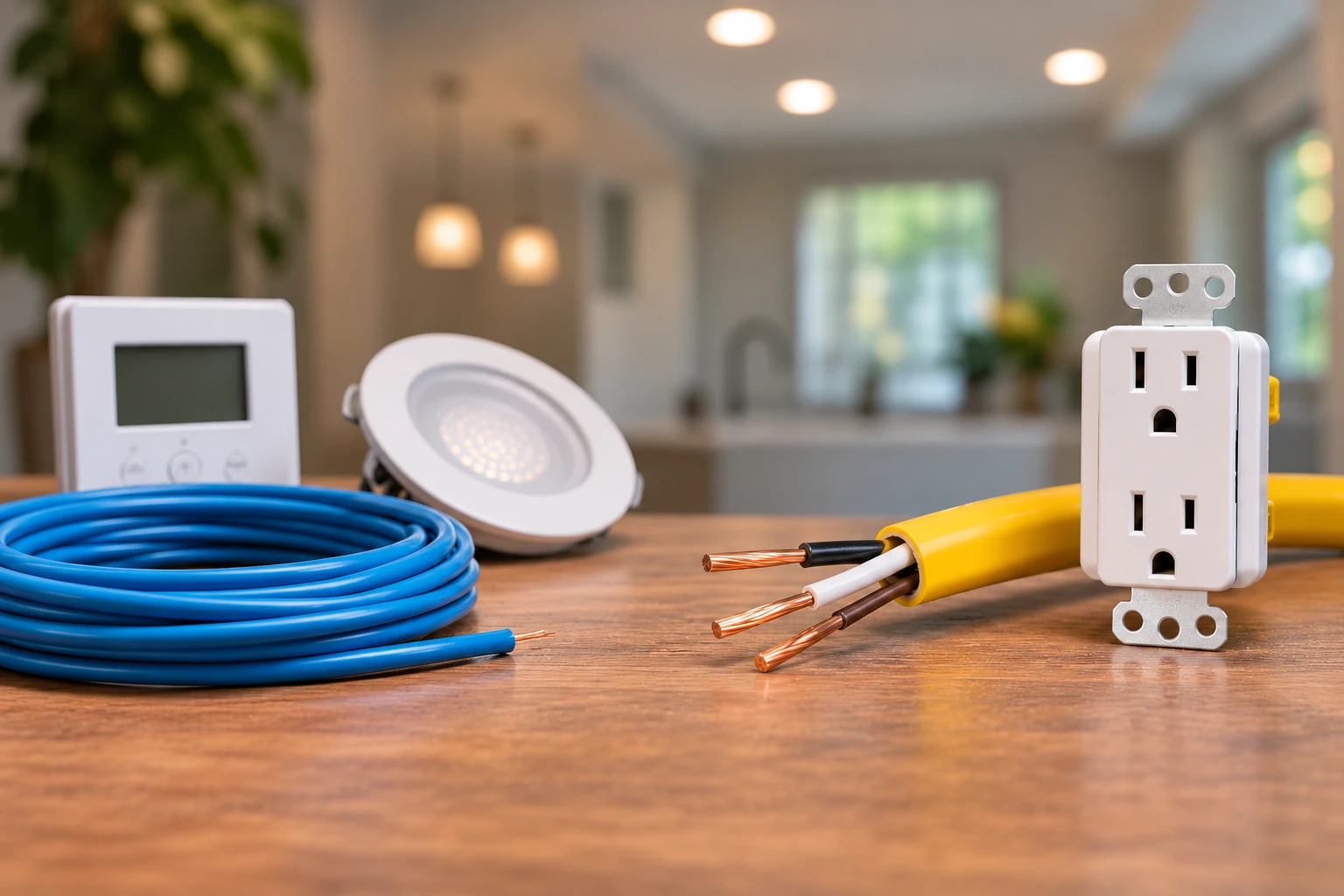
When the Two Systems Need Coordination?
Smart thermostats, lighting controls, doorbells, cameras, access control, and networking may involve both low-voltage devices and line-voltage power supplies.
An electrician and low-voltage installer may need to coordinate device locations, power sources, pathways, and equipment enclosures.
This is particularly important when equipment needs a dedicated receptacle, transformer, or hardwired power source.
Related reading: Electrical Repair Rock Hill SC.
Planning for Future Technology?
Running empty conduit or accessible pathways during a remodel can be more practical than opening finished surfaces later.
Think about network equipment, cameras, doorbells, audio, landscape controls, and future smart-home devices before walls are closed.
Future-proofing should be targeted rather than simply filling walls with unused cable.
Pool and Spa Electrical Wiring Requirements & Safety
Pools and spas are supposed to be where you relax, [...]
Learn More
When Should You Call an Electrician?
Call a qualified electrician when the project requires opening electrical equipment, modifying wiring, adding circuits, diagnosing repeated breaker trips, or working near service equipment. Seek prompt help for smoke, active arcing, severe overheating, burning odors, or other signs of an immediate electrical hazard.
What Should You Ask Before Approving the Work?
- What did you find during the inspection?
- Which work corrects the current problem, and which recommendations are optional upgrades?
- Will the project affect the panel, service, permits, inspections, or utility coordination?
- How will the completed work be tested and documented?
Frequently Asked Questions
Is low-voltage wiring always safe to touch?
Lower-voltage systems generally present different hazards than household line voltage, but equipment should still be installed and serviced according to manufacturer instructions and applicable rules.
Can low-voltage cable share the same box or conduit as power wiring?
That depends on the wiring method and applicable code requirements. Do not assume mixed routing is acceptable without proper design.
Should low-voltage wiring be planned during an electrical remodel?
Yes. Coordinating pathways and device locations while surfaces are open can reduce later disruption.
Next Step
If you want the electrical system evaluated on site, contact Starnes Electric and describe the symptoms, equipment, or project goals you want reviewed.
Confused About Low-Voltage vs. Line-Voltage Wiring?
Get expert electrical guidance and safe, professional wiring installation. Call today!
About the Author: Dalton Starnes